


Common Causes of Low Water Pressure
1. Clogged Pipes or Fixtures
- Mineral deposits, rust, or debris can build up inside pipes over time.
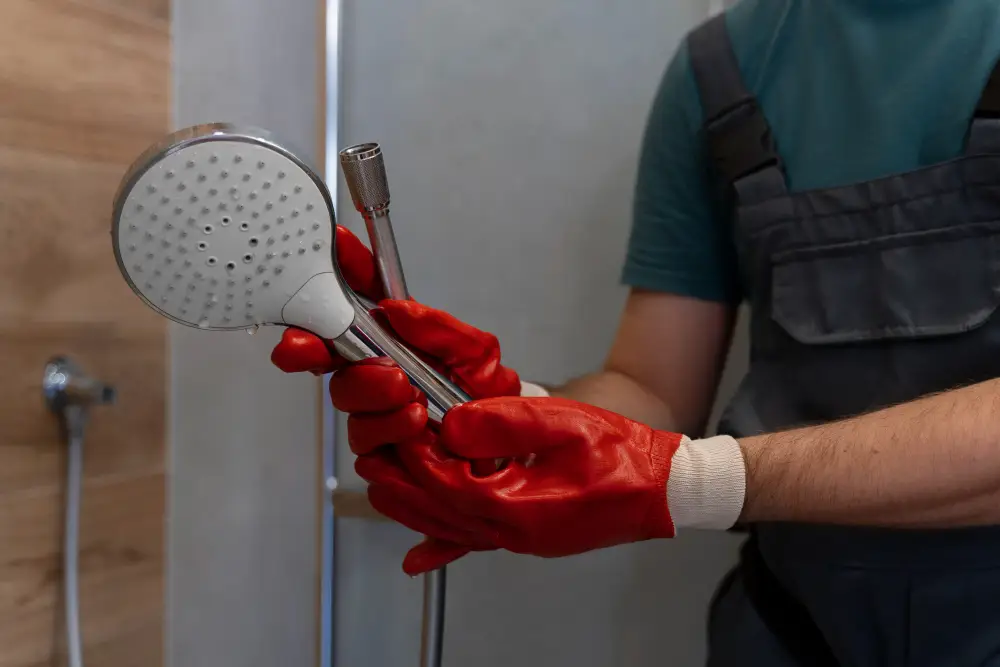
- Faucets and showerheads often accumulate sediment that restricts flow.
Fix: Clean or replace clogged fixtures. For pipes, professional cleaning or replacement may be necessary.
2. Leaks in the Plumbing System
- Even small leaks reduce water pressure because water escapes before reaching the tap.
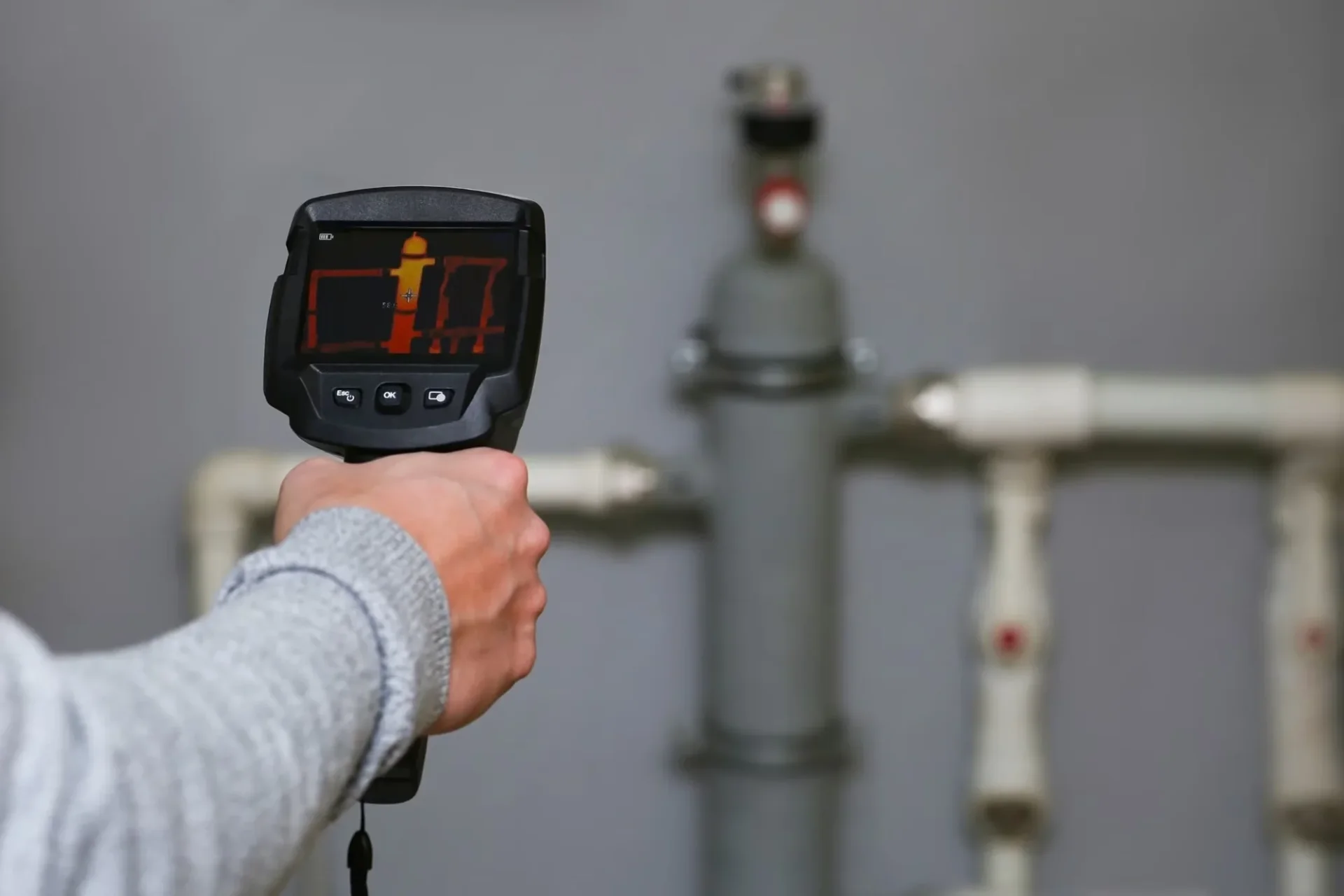
- Leaks can occur in hidden places like underground pipes or behind walls.
Fix: Inspect visible pipes for drips or damp spots. Call a plumber for leak detection if the issue isn’t obvious. Camilla Camilla erothots
3. Faulty Pressure Regulator
- Many homes have a pressure regulator that controls water flow.
- If it malfunctions, pressure may drop suddenly or fluctuate.
Fix: Replace the regulator. This usually requires professional help.
4. Municipal Supply Issues
- Sometimes the problem isn’t inside your home—it’s with the city’s water supply.
- Maintenance, pipe breaks, or high demand can lower pressure temporarily.
Fix: Contact your local water provider to confirm if there’s an ongoing issue.
5. Corroded Plumbing
- Older galvanized steel pipes corrode internally, narrowing the passage for water.
- This is a common issue in homes built before the 1960s.
Fix: Replace old pipes with copper or PEX piping for long-term reliability.
6. Shared Supply Lines
- If multiple households share the same line, heavy usage by neighbors can reduce your pressure.
Fix: Consult with your water provider about upgrading or separating supply lines.
7. Peak Usage Times
- Water pressure often dips during mornings and evenings when demand is highest.
Fix: Try using water during off-peak hours to avoid the rush.
Quick Fixes You Can Try
- Clean Aerators and Showerheads: Unscrew and soak them in vinegar to dissolve mineral buildup.
- Check Valves: Ensure the main shut-off valve is fully open.
- Inspect Appliances: Some appliances have filters that clog and reduce flow.
When to Call a Professional
- Persistent low pressure despite DIY fixes.
- Signs of leaks, corrosion, or damaged pipes.
- Sudden drops in pressure without clear cause.
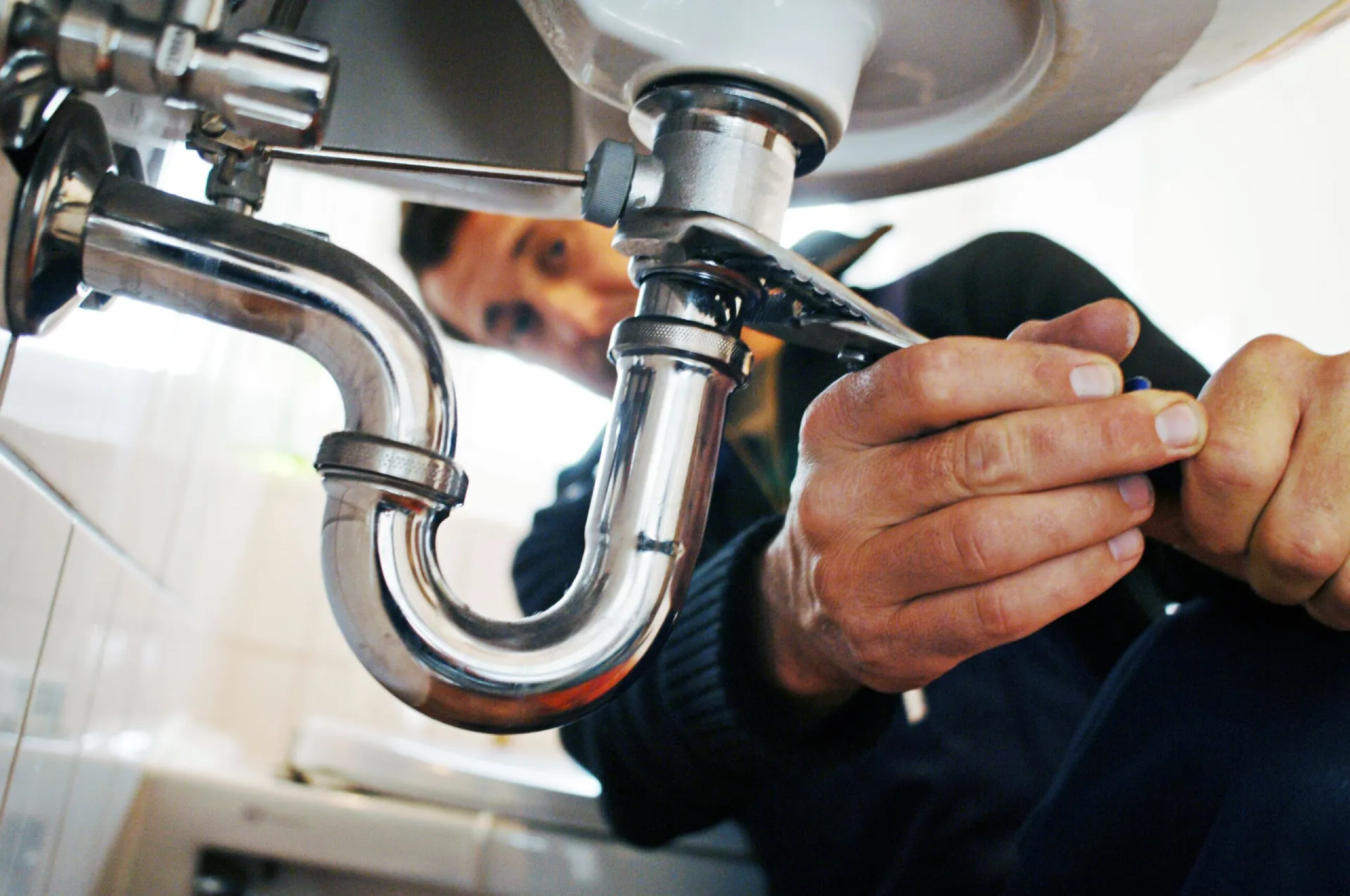
A licensed plumber can diagnose complex issues and recommend permanent solutions.
Preventing Future Problems
- Schedule regular plumbing inspections.
- Install a water softener if you live in a hard-water area.
- Replace outdated plumbing before it causes major issues.